
Image
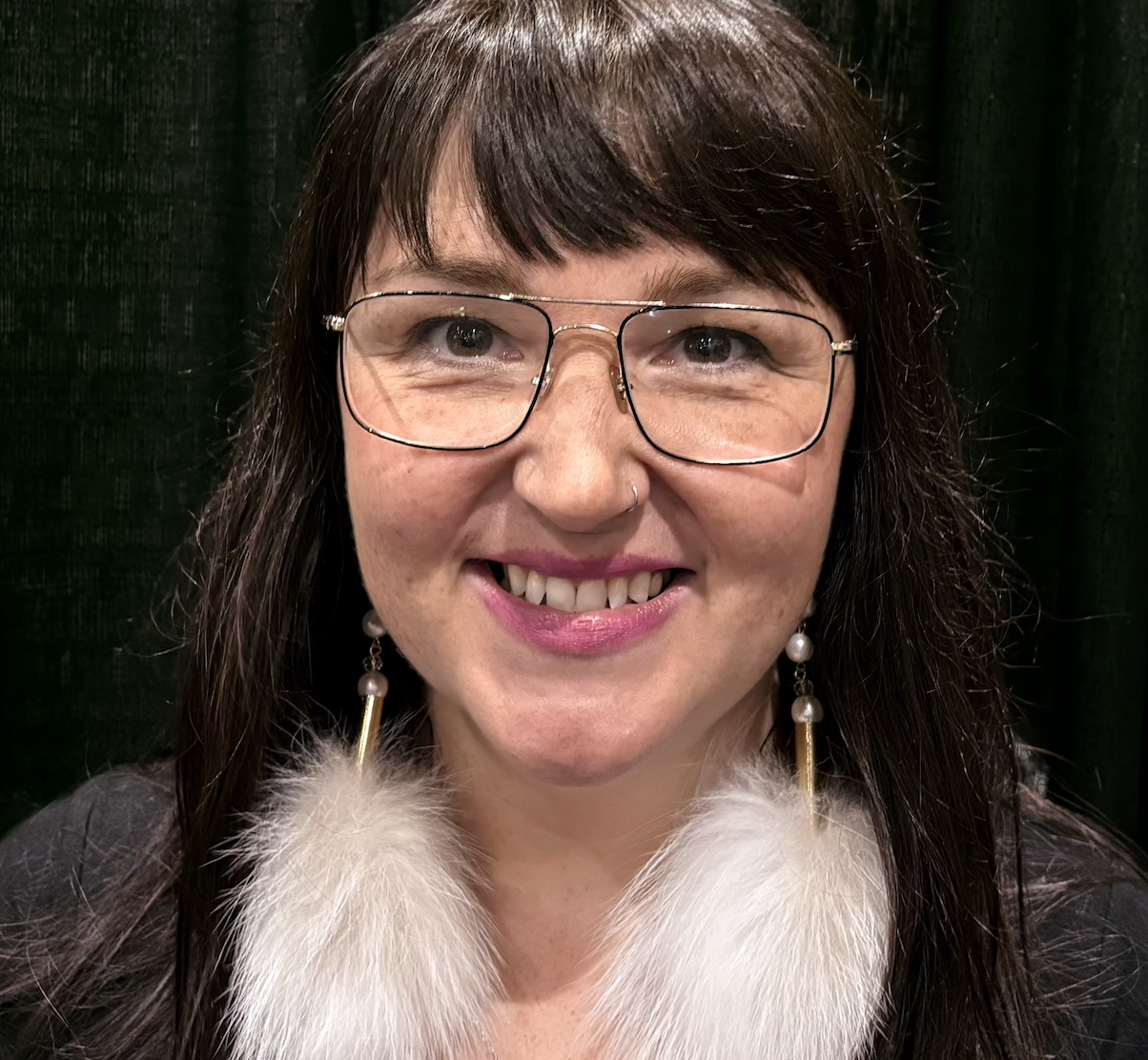
Image Caption
Local Journalism Initiative Reporter
Windspeaker.com
Chief Jenny Brake of Qalipu First Nation in Newfoundland and Labrador is hoping there is still time for the globally popular marketplace Etsy to reverse an upcoming ban.
Brake is spearheading a call for the suspension of an Etsy decision that would ban the sale of natural fur products from its site effective Aug. 11.
Brake was hoping to introduce a resolution at the Assembly of First Nations (AFN) Annual General Assembly to advocate for the reversal or suspension of the ban.
But the resolution, among others, did not make it to the floor due to time constraints at the three-day assembly, which concluded July 16 in Ottawa. Brake is now hoping the AFN passes the resolution at an upcoming meeting of the executive. A date for that meeting has yet to be determined.
Etsy announced the upcoming ban of fur products this past April, citing it was keen to create a sustainable future by protecting wildlife from extinction.
Etsy’s statement added the following information:
“In addition to prohibiting products made from endangered and threatened species, Etsy prohibits products made from or containing natural animal fur, regardless of age or origin,” it said. “This includes products like raw pelts, finished garments, accessories, and personal care items made with real fur from animals such as mink, fox, rabbit, badger, coyote, and raccoon dog.”
If Etsy’s ban does indeed commence next month, Brake believes it will have significant consequences.
“The decision to ban fur sales is going to impact First Nations, artisans, trappers and communities,” she said. “It's going to have a widespread effect. These are folks that depend on a sustainable fur trade.”
Brake also disapproves of the way Etsy officials made their decision to ban fur products from their site.
“It's harmful and discriminatory against Indigenous people's ways of knowing and doing,” she said. “It really affects people. It makes us feel like what we're doing, what we've always known and done in a good way, as stewards of lands and waters, that it's wrong, that there's something wrong with that. And that's very discriminatory.”
Brake said she believes Etsy made its decision simply to support animal rights groups and that they were not fully educated on the impacts it would have on First Nations communities.
“We find this very, very frustrating,” Brake said. “And we'd love to see them reconsider their decision before August 11th. The company can reverse its policy, engage directly with affected First Nations and develop an approach that respects Indigenous rights, our livelihoods, our culture, our inherent knowledge and our value systems. That's there for them. But they've never reached out to have those conversations.”
Yukon’s government and the Fur Institute of Canada are among others who have sent Etsy officials requests to meet to discuss the upcoming ban. But to no avail.
“We’ve heard absolutely zero from Etsy thus far,” said Doug Chiasson, the executive director of the Fur Institute of Canada.
Chiasson said his organization was only made aware of Etsy’s plans this past spring through vendors who would be affected.
Chiasson said it is difficult to guess how many Indigenous artisans would be affected by Etsy’s ban.
“I wouldn't want to guess at it and underestimate it,” he said. “The thing I can say is when you go in and punch into the Etsy search ‘Indigenous fur Canada’ it pops up more than 1,000 different postings.”
Chiasson said this is not simply a Canadian problem.
“Etsy is a global platform,” he said. “This will likely affect vendors around the world. We've heard from vendors from the UK, from the U.S., from across Canada. And certainly, there's other vendors in other countries as well.”
Chiasson said his group has its own platform called Proudly Indigenous Crafts & Designs that will continue to sell fur products.
“That's something that we've proposed to folks that if they are interested in leaving Etsy, we are an option,” he said. “There are certainly artisans that will choose to go to other platforms as well. We don't want to make this about us. This is about the artisans and the impact on the artisans and certainly the reach of a global platform like Etsy is hard to match.”
Like Brake, Chiasson is doubtful that Etsy decided to ban fur products for the reasons it stated.
“Over the years and over the decades, the anti-fur movement has really stopped trying to convince the average person not to buy fur, not to buy sealskin,” he said. “Instead, they target corporations and target their executives with very targeted pressure and harassment campaigns to the point that these corporations throw up their hands and say ‘Listen, it's not worth the aggravation that we're getting for the amount of fur we're selling on our platform. We're not a fur platform. We’re a platform that sells many things, including fur.' They don't necessarily think about the impacts that will have on artisans and on trappers and fur farmers and on the people that actually are producing the skins.”
Though others, including his group, have unsuccessfully tried to get Etsy officials to sit down and discuss the upcoming ban, Chiasson believes AFN support just might prove to be persuasive.
“That comes down to Etsy,” he said. “There's no law forcing them to do this. There's no regulatory process they need to go through. They instituted this policy at the stroke of a pen. They can reverse this policy at the stroke of a pen.”
Chiasson is among those hoping for some sort of action before the ban goes into effect next month.
“It may well be that they choose to pause and say we're not implementing the ban on August 11th, we're going to go do our homework and actually understand, take the time to understand better the impact this will have on artisans and on communities,” he said.