
Image
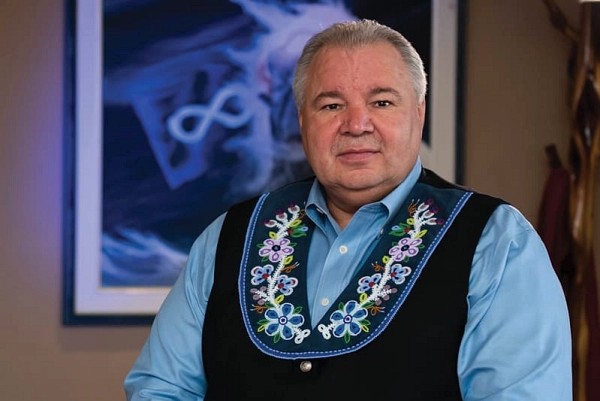
Image Caption
Local Journalism Initiative Reporter
Windspeaker.com
Officials of the Manitoba Métis Federation (MMF) say their pursuit of self-government continues despite Parliament’s summer adjournment delaying legislation to implement its governance treaty.
The House of Commons adjourned before Bill C-21, the Red River Métis Self-Government Recognition and Implementation Act, could receive second reading. While supporters view the legislation as another milestone in the Red River Métis’ decades-long pursuit of self-government, several First Nations leaders say questions remain about consultation, treaty rights and jurisdiction.
For MMF President David Chartrand, however, the legislation represents only one step in a much broader effort to build the institutions of self-government — an effort he says continues regardless of Parliament’s legislative timetable.
Introduced in the House of Commons on Feb. 12, the legislation known as Bill C-21 was built from a treaty signed by Canada and the MMF in November 2024.
According to Crown-Indigenous Relations and Northern Affairs Canada (CIRNAC), the legislation would formally recognize the MMF as the government of the Red River Métis and provide it with the legal framework to govern its own internal affairs. Those internal governance powers would include matters such as citizenship, leadership selection, governance structures and laws relating to its internal administration.
The MMF describes the Red River Métis as a distinct Indigenous people and political community rooted in the historic Red River region.
Federal officials have stressed that the bill does not recognize or establish harvesting, land or resource rights, nor does it alter or diminish existing First Nations treaty rights or other rights protected under section 35 of the Constitution Act, 1982. Instead, the federal government describes the legislation as implementing a government-to-government agreement dealing exclusively with the Red River Métis government’s internal affairs.
The department said consultations with First Nations took place between August 2023 and October 2024. It confirmed there is currently no timeline for the legislation’s next stage in Parliament. Despite the delay, officials said Canada continues working with the MMF to implement the treaty.
Chartrand said the work of building self-government extends far beyond Bill C-21. He said the Red River Métis government already administers many aspects of its own governance, including harvesting laws, elections and internal justice processes, while preparing to assume additional responsibilities in areas such as child and family services.
“We’re already practicing self-government. We have our own hunting laws, and our electoral system is ours. We govern ourselves. We have the right to establish our own child and family service laws. We have the right to establish our own laws on matters that affect us directly. That’s what the self-government treaty is all about — the right to govern ourselves based on our culture and our priorities,” Chartrand told Windspeaker.
Chartrand said Bill C-21 would formally recognize governance systems the MMF has spent decades developing, rather than creating an entirely new government. While formal recognition is an important milestone, Chartrand said the MMF’s priorities include strengthening institutions that can support Red River Métis citizens for generations through investments in housing, education and economic development.
“The number one issue you’ll see coming from me is economic development and education,” he said. “In order for us to have the right to a government, we need to afford our own government. We need to control what resources we have, so no one can ever say, ‘You’re a government only if I let you become a government’.”
The path toward formal recognition, however, has raised concerns among several First Nations leaders.
While the Assembly of Manitoba Chiefs (AMC), Manitoba Keewatinowi Okimakanak (MKO) and the Assembly of First Nations (AFN) have each raised concerns about Bill C-21, their positions focus on different aspects of the legislation, including consultation, treaty rights and constitutional jurisdiction.
In an April statement, the AMC argued that while Métis rights are recognized under the Constitution, Bill C-21 advances self-government without first resolving broader legal and constitutional questions involving existing treaty relationships. The organization called for clearer safeguards to ensure First Nations rights and jurisdiction are protected.
“Our Nations have been here since time immemorial. Our sovereignty did not begin with Canada, and it does not depend on Canadian legislation. Any process that moves forward without addressing that reality risks creating conflict where there should be clarity and respect,” AMC Grand Chief Kyra Wilson said.
MKO has focused primarily on consultation, arguing that First Nations should have been more meaningfully engaged before the legislation advanced because of its potential implications for harvesting and treaty rights.
Chief Elwood Zastre of Wuskwi Sipihk Cree Nation said in the MKO statement, “We are not questioning anyone’s identity, but we are insisting that the laws of Canada be respected, that the facts be clear, and that First Nations rights holders have a meaningful voice in decisions affecting our rights, our territories and our way of life.”
At the national level, the AFN has similarly argued that the legislation should not proceed until First Nations concerns have been addressed, warning that unresolved jurisdictional issues could create future legal conflict.
“This piece of legislation must not proceed until First Nations voices are heard and our rights are respected, protected and upheld,” AFN National Chief Cindy Woodhouse Nepinak said. “No treaty with the Red River Métis can supersede our existing First Nations treaties, or our inherent right since time immemorial to self-determination.”
The federal government maintains that Bill C-21 would not alter existing First Nations treaty rights or create new Métis rights beyond those addressed in the legislation.
“The focus is on governance matters that are internal to the Manitoba Métis Federation and related laws that will apply to the Red River Métis,” CIRNAC told Windspeaker.
The differing positions reflect fundamentally different interpretations of what Bill C-21 represents and reflects broader discussions taking place across Canada as Indigenous governments pursue self-government agreements. Federal, provincial, Métis and First Nations must reconcile overlapping histories, jurisdictions and constitutional rights. Canada has seen such unresolved disagreement over these matters most recently in British Columbia with the K’ómoks Treaty Act.
Although the House of Commons has yet to schedule further debate on Bill C-21, neither the federal government nor the MMF considers the self-government process to be on hold. Federal officials say implementation work continues, while the MMF remains focused on building institutions to support future generations of Red River Métis citizens.
Whether Bill C-21 returns to the House of Commons during the fall sitting remains uncertain. The broader conversation surrounding Indigenous self-government — and how it should be recognized, implemented and reconciled with existing treaty relationships — is expected to continue regardless of Parliament’s legislative calendar.