
Image
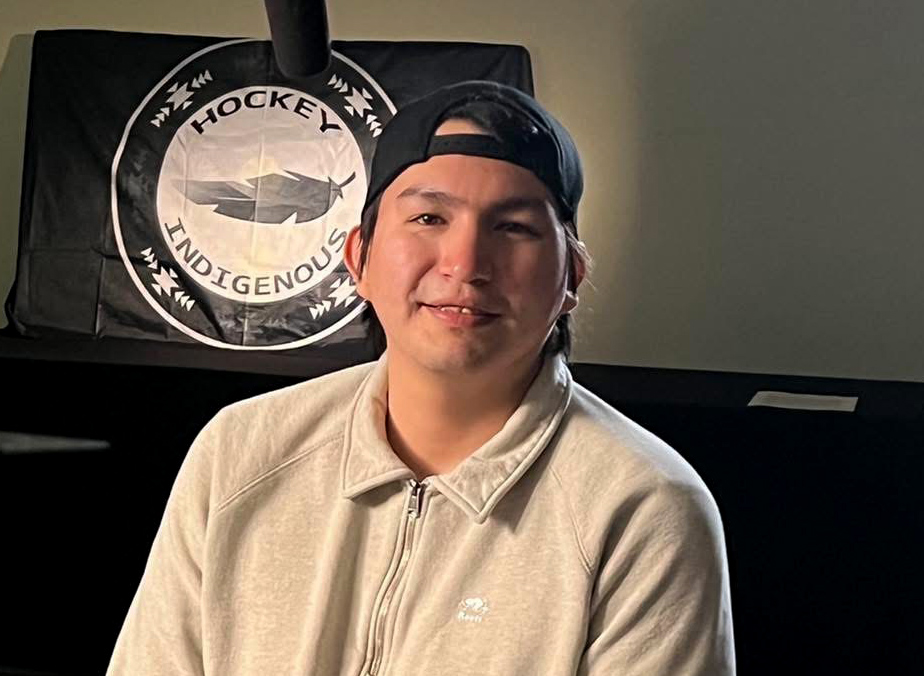
Image Caption
Local Journalism Initiative Reporter
Windspeaker.com
Stephane Friday realizes his days are about to get extremely busy, but he’s not complaining.
“The grind is coming,” said Friday, the main organizer of the U21 National Indigenous Junior Hockey Championships. “But there is excitement all over the place.”
This marks the second year the tournament will be held in Toronto. Featuring Indigenous players under the age of 21, it will be staged at Westwood Arena from July 16 to July 19.
The inaugural event, held last June, saw numerous clubs drop out in the days leading up to its start. Some clubs opted not to come as wildfires were in or near their communities. And other entrants backed out as players had to focus on school exams or attend their graduations.
“It was awful timing,” Friday said.
That’s why the tournament was pushed back a month to July this year.
The response has been positive. A total of 10 teams (six male and four female) participated last year. This month’s event will feature more than double the teams that took part in 2025. The male category will feature 16 clubs. And six female squads will also take part.
Ontario-based teams won both divisions last year. The Moose Cree Scrappers from Moose Factory took top honours in the male grouping. And One Nation Selects, comprised of players from across the province, won the girls’ division.
Besides Ontario, clubs representing Alberta, Saskatchewan, Manitoba, Quebec and the Atlantic provinces have entered this month’s tourney.
The scuttlebutt is that the Scrappers are keen to defend their title in the boys’ division.
“They’re probably a team to keep an eye on,” Friday said.
Others expected to challenge for the male title are two clubs from Manitoba, the Cross Lake Islanders and Norway House North Stars.
“But I feel it’s really well balanced over-all,” Friday said.
All clubs will play three round-robin matches, and regardless of how much success they have in those outings, all entrants are guaranteed at least one playoff game.
Friday and his partner Abigail Linklater, who live in Timmins, Ont., also operate the popular Hockey Indigenous website. The pair decided to start the national U-21 Indigenous tourney to fill a gap between other established tournaments.
The National Aboriginal Hockey Championship (NAHC) is open to players under 18. That event moves around to different locations each year. And the annual Fred Sasakamoose Chief Thunderstick National Hockey Championship is for those 20 and over. It’s held in Saskatoon each May.
Friday believes it’s important for Indigenous players to still have a national event they can play in after they age out of the NAHC and before they are allowed to take part in the adult event, often simply called The Freddy. Fred Sasakamoose is believed to be the first First Nations player to suit up for a club in the National Hockey League (NHL). Sasakamoose appeared in 11 matches with the Chicago Blackhawks during the 1953-54 season.
Since the number of competitors has increased significantly this year for the U21 event, Friday hopes that will result in a boost in attendance.
“It was decent for a 10-team tournament,” Friday said of spectator numbers in 2025. “I think we averaged on site, maybe, about 250 to 300 people a day. That's not including players. I’m anticipating double that this year. Maybe we’ll have about 500 to 750 people a day.”
Friday also expects talent seekers to be among those observing the action.
“I’ve sent out invitations to many teams and leagues,” he said. “So, I am anticipating scouts.”
Friday said he’s not certain exactly how many scouts showed up for last year’s event as some of them don’t identify that they are assessing the talents of participants.
“Some of them just want to go in without letting people know that they're a scout, which I respect,” Friday said.
As for the calibre of participants, Friday said the tourney is open to players of all abilities.
Many of the clubs, however, especially those who are looking to win their divisions, have some elite players, including NHL draft picks.
The tourney will also include players who spent the past season with Canadian or American post-secondary clubs or in the Ontario Hockey League, Western Hockey League or Quebec Maritimes Junior Hockey League.
“Some of them are pretty exceptional,” Friday said.