
Image
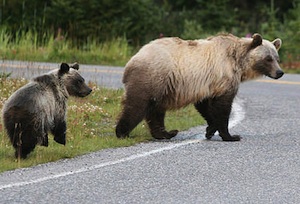
Image Caption
The province is soliciting input from the public as the government updates its grizzly bear recovery plan. Grizzly bears were classified as Threatened in Alberta in 2010, largely due to small population size (estimated at between 700 and 800), high rates of human-caused mortality and deteriorating habitat conditions. In 2006, Alberta cancelled the grizzly bear hunt and there are no plans to reinstate it. (Photo: Government of Alberta)
June 1, 2016. The province is asking for public input on its draft 2016-2021 Alberta Grizzly Bear Recovery Plan, which will replace the previous plan of 2008-2013. The new plan will focus on reducing the incidence of human-grizzly conflict and human-caused grizzly bear mortality. The greatest threat to a healthy grizzly bear population is poaching, vehicle and train collisions, self-defence kills, and cases where hunters misidentify grizzlies as black bears. There are also increasing records of human-grizzly conflict, usually as a result of bears being drawn to food or, in some areas, attacking livestock which may result in these problem bears being destroyed. Updating recovery plans regularly gives the government the ability to adjust to changing trends and demands on the landscape. Proposed key initiatives, based on the latest science in grizzly management, include creating new recovery zones incorporating specific management priorities for each zone and reducing the road density in areas near people. “Grizzly bears are an iconic wildlife species in Alberta and a key part of this province’s biodiversity. We want to ensure they remain that way for generations to come by addressing threats to their survival,” said Minister of Environment and Parks Shannon Phillips. In support of grizzly bear recovery efforts, $475,000 will be provided in ongoing funding support to fRI Research to help in the research and analysis needed to evaluate ecosystem health and integrity related to grizzly bear recovery efforts and directly assist in achieving key elements of the grizzly bear recovery plan. As well, the Waterton Biosphere will receive $150,000 to reduce potential conflict between people and grizzly bears. Public input can be provided in an online survey until July 15.